Compare Multiple Financial Outcomes
Build expected, upside, and downside scenarios to explore a range of possibilities. Evaluate how different assumptions change your financial outlook.
Enter your team size and budget cycle. Get a one page summary you can share with your board.
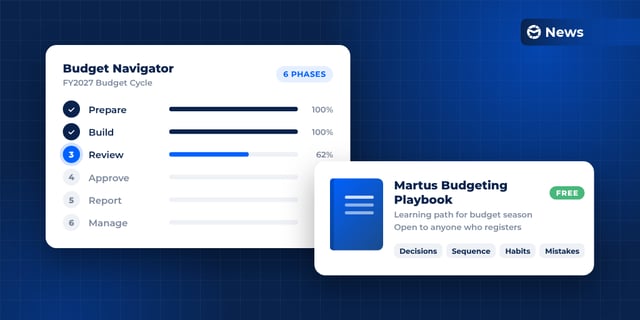
Open the calculator →A step-by-step guide to every phase of your budget cycle, with guidance built right into Martus.
Explore the playbook →Scenario Planning for Nonprofits
What if donations fall short? A grant isn’t renewed? Your next program needs more staff than expected?
Martus helps nonprofit finance teams model different financial scenarios, compare potential outcomes, and give leadership a clearer view of the choices ahead.
| Department | Current | Low Estimates | Aggressive Estimates |
|---|---|---|---|
| Income | |||
| 100 Counselling Services | 3,073,960 | 2,459,168 | 3,842,450 |
| 110 Youth Center | 977,860 | 782,288 | 1,222,325 |
| 120 Medical Service | 5,739,720 | 4,591,776 | 7,174,650 |
| 300 Fundraising | 2,644,830 | 2,115,864 | 3,306,038 |
| Total Income | 12,436,370 | 9,949,096 | 15,545,462 |
| Difference from Current Year | -2,487,274 | 3,109,092 | |
Nonprofit financial scenario planning is the process of modeling how changes in funding, staffing, expenses, or programs could affect an organization’s finances. It helps leaders evaluate alternatives, prepare for uncertainty, and decide when to act.
With Martus, your team can create and compare financial scenarios within a connected budgeting, forecasting, and reporting platform.

An approved budget reflects the assumptions you made when you built it. Scenario planning helps you explore what happens when those assumptions change.
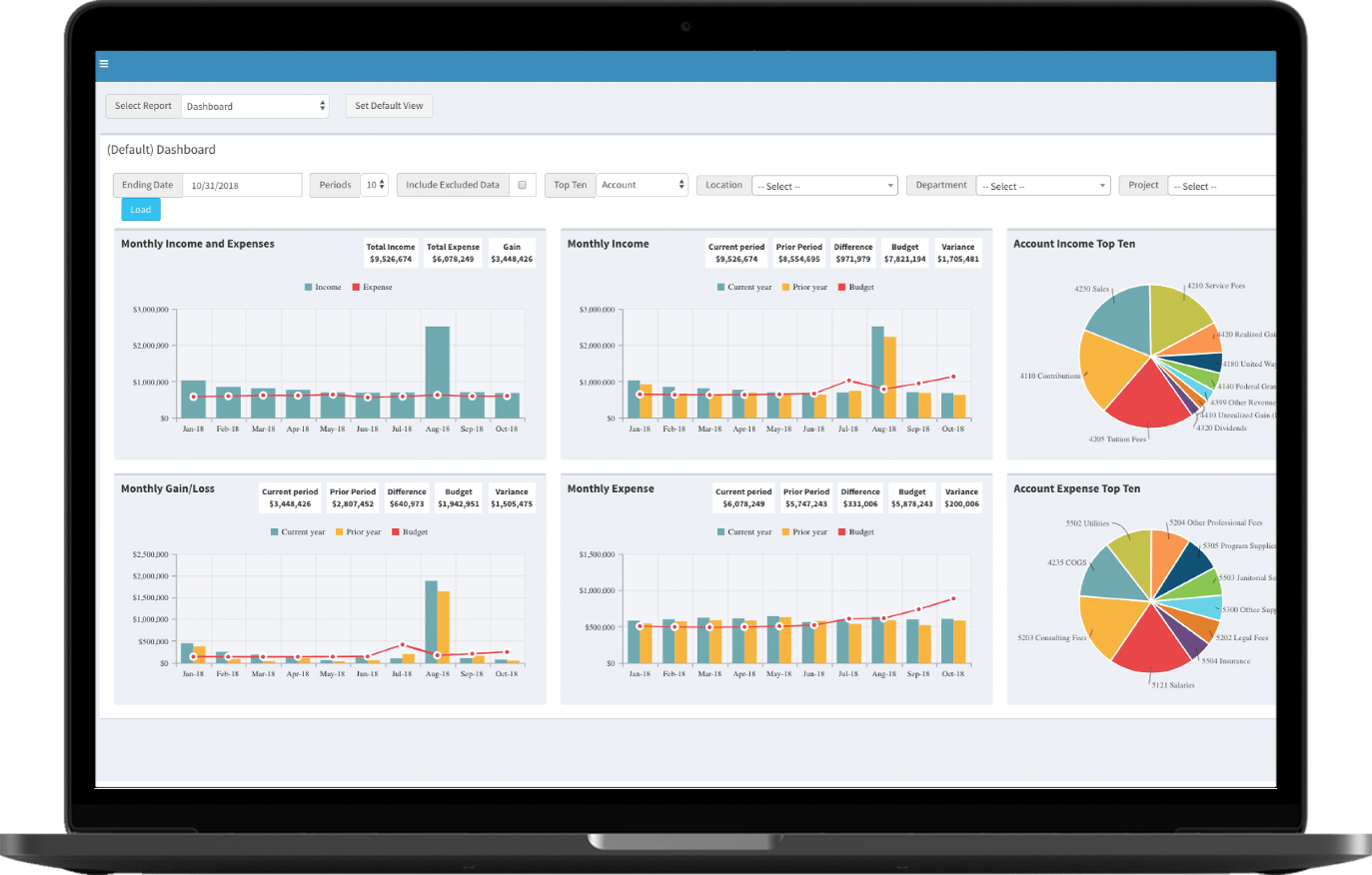
Use Martus to evaluate different revenue and expense assumptions, model staffing changes, and explore potential outcomes across months and years. Bring your leadership options that are supported by numbers.
| Account Category | Current | 2027 | 2028 | 2029 | 2030 | 2031 |
|---|---|---|---|---|---|---|
| Income | ||||||
| Contributions | 2,486,230 | 2,486,230 | 2,734,850 | 2,734,850 | 2,734,850 | 2,734,850 |
| Grant Revenue | 1,709,610 | 1,760,900 | 1,813,730 | 1,868,140 | 1,924,180 | 1,981,910 |
| Services | 8,240,530 | 8,265,670 | 8,592,020 | 8,682,910 | 8,770,670 | 8,864,640 |
| Total Income | 12,436,370 | 12,512,800 | 13,140,600 | 13,285,900 | 13,429,700 | 13,581,400 |
| Difference from Current Year | 76,430 | 704,230 | 849,530 | 993,330 | 1,145,030 | |
Start with the uncertainties most likely to affect your mission.
Build expected, upside, and downside scenarios to explore a range of possibilities. Evaluate how different assumptions change your financial outlook.
Bring accounting actuals into the planning process through supported integrations or file imports. Use your organization’s financial performance to inform what comes next.
With Martus Personnel Budgeting, model employee-related costs, including salaries, benefits, raises, and new hires. Evaluate how staffing choices affect the broader plan.
Use multi-year forecasting and what-if analysis to explore the longer-term effects of today’s decisions.
Revisit forecasts as funding, expenses, and priorities change. Keep leadership informed with an outlook that reflects new information.
FAQ
Answers to common questions about budgeting, forecasting, and scenario planning in Martus. Visit our FAQ page for more.
A budget establishes your financial plan. A forecast updates your expected results using current information. Scenario planning explores several possible outcomes, often by changing assumptions, helping you prepare for different conditions.
Yes. Martus supports multiple scenarios and what-if analysis, including conservative and aggressive scenarios, to help organizations evaluate how changes in revenue, expenses, and staffing could affect financial results.
Yes. The Martus Personnel Budgeting module supports detailed planning for salaries, benefits, and staffing changes.
No. Scenario planning complements the annual budget by helping your team evaluate alternatives and prepare responses as circumstances change.
Give your leadership team a clearer view of what could change, what it could mean, and which options are available. See how Martus helps your nonprofit turn financial uncertainty into informed decisions.