If you’ve worked in the nonprofit sector for a while, you’ve probably noticed the recent shifts in financial support for organizations like yours. The Center for Effective Philanthropy’s State of Nonprofits 2026 report notes that two-thirds of nonprofit leaders said they were concerned about their organizations’ financial stability, and more than a third cited funding uncertainty as the greatest challenge their nonprofits currently face.
Fortunately, effective financial planning can help your organization weather these changes and keep operating and delivering services despite external economic factors. Let’s discuss a few ways your nonprofit can develop and pivot its financial strategy so you’re prepared to navigate any funding shifts that may come your way.
Diversify your nonprofit’s income streams
When planning your nonprofit’s financial management approach, you’ve probably heard that you shouldn’t put all of your revenue generation eggs in one basket. Relying too heavily on one source or type of funding can leave you scrambling if that stream falls short of projections or your organization incurs unexpected expenses.
However, a diversified funding model makes your nonprofit more resilient. To help you consider new streams you could incorporate into your strategy, here is a quick breakdown of the five major categories of nonprofit revenue:
Individual donations. This category encompasses all nonreciprocal contributions from individual donors, including monetary gifts of all sizes (small, mid-level, major, and planned) and in-kind donations of goods, services, and non-cash assets like stocks or real estate.
Corporate philanthropy. This term refers to nonprofit contributions from businesses, such as sponsorships, employer matching gifts, volunteer grants, payroll donations, and other workplace giving campaigns.
Earned income. Contrary to popular belief, it’s legal for your nonprofit to sell products and services as long as they relate to your mission. Membership dues, merchandise sales, program fees, and many event-related funds fall into this category.
Investment returns. Your nonprofit is also legally allowed to invest its savings in vehicles like mutual funds, CDs, bonds, and Treasury bills to grow and steward them. Endowment funds are another common type of investment income nonprofits can generate.
Grants. These funds typically come from foundations or government agencies and are competitive to secure, but they can support important projects and programs if you take the time to find the right opportunities and submit thorough applications.
These categories aren’t always cut and dry (for example, you could categorize corporate grants with government and foundation grants or as a type of corporate philanthropy), and your nonprofit should only take on as many revenue streams as you can effectively maintain. However, they’re a helpful starting point for understanding your revenue streams and boosting sustainability over time.
Budget for a revenue surplus
A common misconception about nonprofit finance says that because nonprofits can’t turn a profit by definition, their budgets have to break even every year. This myth comes from a misunderstanding of what “profit” really means—legally speaking, it’s paying out funding left over after expenses to owners, investors, or shareholders.
So, as long as your nonprofit invests all of its funding into itself rather than distributing extras, it’s acceptable—and recommended!—to budget for a revenue surplus. Income diversification is the first step in making your total revenue for a fiscal year exceed your total expenses. The other aspect is allocating expenses strategically so that you spend enough on overhead (i.e., administrative needs and upfront fundraising costs) to keep your organization running, but not so much that it takes away from your programs or long-term security.
Any revenue that remains after you’ve covered all of your expenses and planned for future initiatives should become part of your nonprofit’s reserve funds. Nonprofit cash management experts recommend keeping at least six months’ worth of basic operating expenses in reserve at all times so you’ll have enough to weather most challenges.
Check in on financial progress regularly
Nonprofit budgeting shouldn’t be a set-it-and-forget-it activity. Your annual operating budget is most useful when you treat it as a living document that guides all of your financial decisions and helps you adapt to changing circumstances.
Meet with your organization’s leadership, board, and financial professionals at least once a month to assess budget progress and discuss next steps. Some documents you might reference during these meetings include:
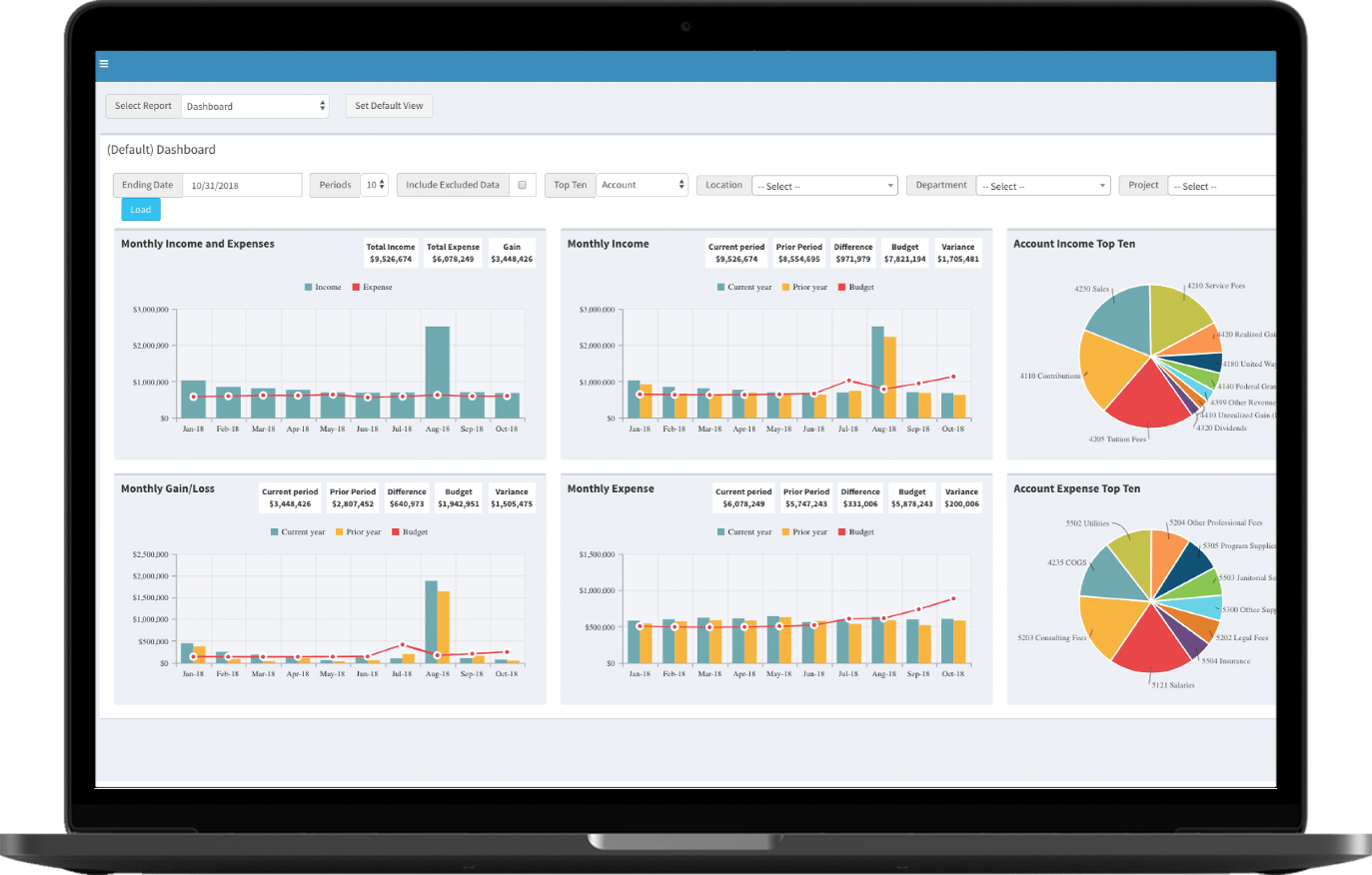
Budget vs. actual comparisons that review your spending and fundraising in-depth against your year-to-date projections.
Cash flow statements that show how money has moved in and out of your organization through different categories of activities (operating, investing, and financing).
Treasurer reports that provide a governance perspective on your situation from your board’s primary financial officer.
By reviewing and analyzing this information regularly, your team can more easily identify if and how your actual numbers have deviated from your budget and make proactive adjustments as needed for your nonprofit’s continued financial stability.
Expand your organization’s financial management resources
Your nonprofit’s financial management resources encompass both its tools and its team. Adopting the right software for budgeting, forecasting, recordkeeping, and other related functions makes it easier for your organization to use its finances efficiently while maintaining compliance in all situations.
It’s also important to delegate financial responsibilities across multiple individuals so everyone can operate within their sphere of expertise and check each other’s work. Your nonprofit’s treasurer is one of these individuals and is responsible for financial oversight as a board member. Other common nonprofit financial roles include:
Bookkeepers: These individuals (who may be staff members, outsourced professionals, or volunteers at smaller organizations) manage financial data entry and other everyday tasks like invoice management, bill pay, and payroll processing.
Accountants: These hired or outsourced professionals complete various tasks related to financial analysis and reporting, such as bank reconciliations, financial statement creation, and tax filing.
Chief financial officers (CFOs): Whether your CFO is a permanent member of your leadership team or works on a fractional basis, they typically take the lead on budgeting, forecasting, and other financial strategy tasks.
Controllers: These team members can also be employees or outsourced professionals and focus on refining financial processes to improve efficiency and compliance.
Although expanding your team and purchasing software involve upfront investments, they pay off in the long run and can eventually save your nonprofit money as you improve efficiency, avoid penalties, and have the infrastructure you need for sustainable operations.
By implementing these tips at your organization, you can improve sustainability not just through challenges you may be facing now, but into the future as well. Make sure your financial management strategy works side-by-side with your fundraising and service delivery, since alignment across all of these aspects is essential for furthering your mission.








 Chris Grady