Every finance team has one: a spreadsheet with 17 versions, mysterious formulas, and numbers that change when nobody's looking.
Welcome to the haunted house of spreadsheet budgeting.
Spreadsheets have long been the go-to for budgeting, but as organizations grow and teams expand, the cracks begin to show. Errors multiply, collaboration slows, and reporting turns into a time-consuming puzzle.
Each of these challenges has a way out. Let’s take a look at what’s causing the chaos, and how the right tools can make your budgeting process simpler, faster, and far more accurate.
Franken-Budget: The Version Control Nightmare
It starts innocently: Budget_2027.xlsx.
Then someone creates Budget_2027_v2.xlsx.
Then Budget_2027_v2_FINAL.xlsx.
Then Budget_2027_v2_FINAL_Revised.xlsx.
Before you know it, departments are using different versions, formulas diverge, and no one knows which “final” version is really final.
Why it’s a problem:
According to the 2024 FP&A Trends Survey, more than half of finance teams still rely on spreadsheets for financial planning. Version confusion wastes time and increases the risk of error—especially when every department is working from a different file.
How to fix it:
Establish a single source of truth for your budgeting process. Move from static files to a centralized, cloud-based workspace where updates happen in real time. Use clear approval workflows and defined roles to keep everyone aligned without endless “final” versions.
The Phantom Formula
It happens quietly: a single formula changes deep in the sheet, and no one notices until it’s too late. Totals are off, the board report doesn’t balance, and finance spends hours chasing the root cause.
Real-world consequences of spreadsheet errors can be staggering. In one of the most infamous cases, the London Whale incident at JPMorgan Chase, a single copy-and-paste error in a risk model contributed to losses exceeding $6 billion. The mishap became a textbook example of why manual spreadsheets are dangerous for complex financial calculations.
Why it’s a problem:
Research on spreadsheet quality has repeatedly found errors in spreadsheets used for business decision-making. A 2024 study found that “94% of spreadsheets used in business decision-making contain errors, posing serious risks for financial losses and operational mistakes.”
How to fix it:
Automate your data flows wherever possible. Connect your budgeting tools directly to your accounting or ERP system so data syncs automatically instead of being manually keyed. Use consistent drivers and built-in validation checks so calculations stay transparent and correct.
The Collaboration Black Hole
You send out a spreadsheet for department feedback. A week later you’ve received 12 versions back, each slightly different. Merging updates and manual corrections takes over. No one is ever sure if the data is accurate or current.
Why it’s a problem:
Even advanced Excel users repeat steps, costing valuable time each week. Time spent searching for information, copy-pasting data, and manually sending documents can ultimately lead to confusion and frustration across the entire organization.
How to fix it:
Move collaboration into a shared budgeting environment where department leaders update their budgets directly in a unified system. Set firm deadlines for inputs and approvals. When everyone works in the same space, finance teams can focus on insights and communication, not maintenance.
Wondering what all that manual work is costing your team? Use our ROI calculator to estimate the time and money you could save by moving beyond spreadsheets.
The Reporting Poltergeist
At 2 a.m., your CFO sends a frantic message: “Why did the numbers change?!” The report you thought you locked down is now haunted by bad data, stale files, or someone’s manual override.
Why it’s a problem:
When financial reports rely on manually updated spreadsheets, it’s difficult to know whether you’re working with the latest numbers. Outdated information, inconsistent data, and last-minute corrections can undermine confidence in your reports and delay important decisions.
How to fix it:
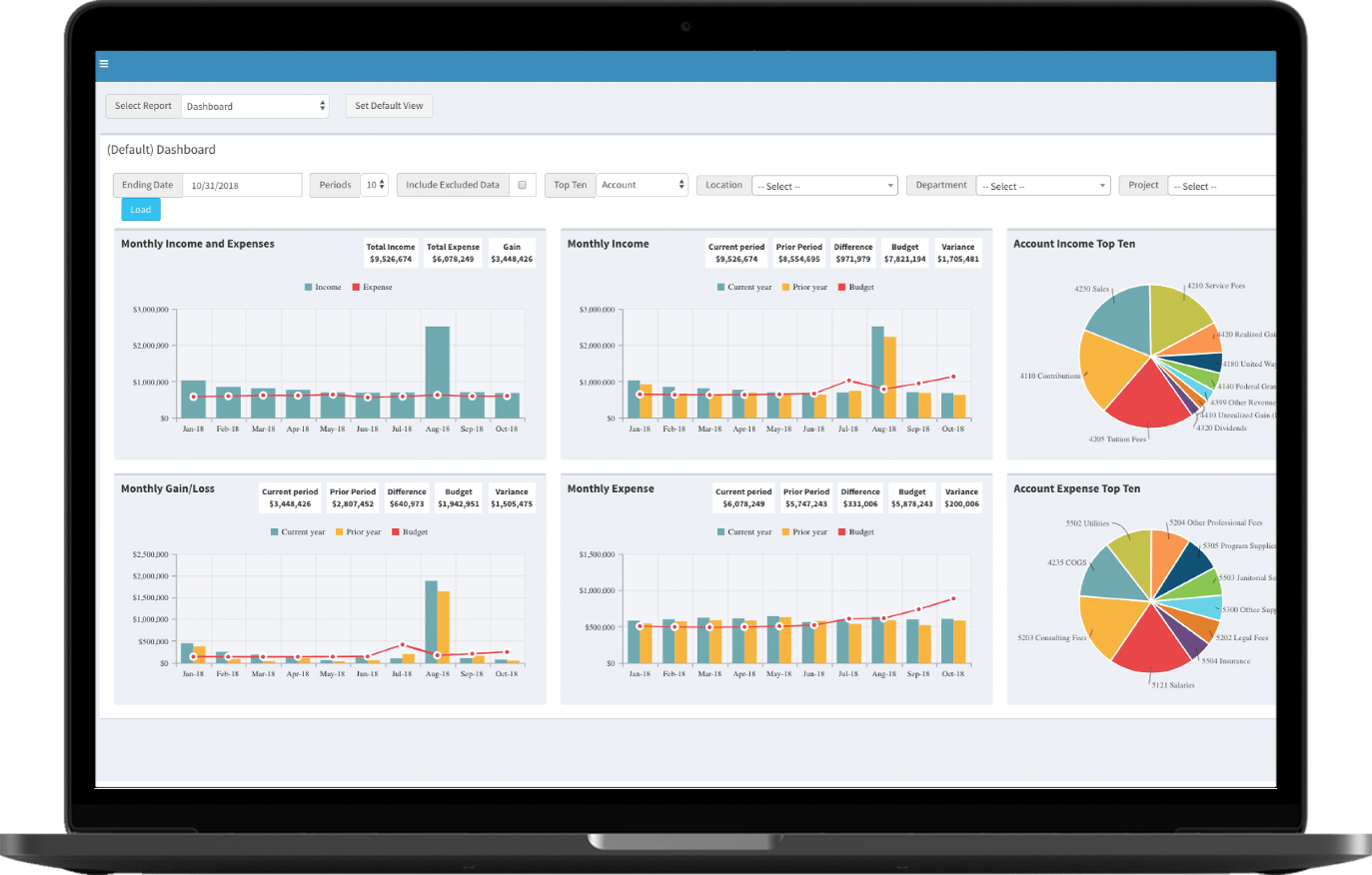
Use reporting tools that connect your budgets and accounting data in one centralized system. With consistent, reliable data and customizable reports and dashboards, finance teams can spend less time reconciling numbers and more time understanding financial performance.
Take reporting even further with the right AI tools. Martus Intelligence helps you build custom reports using natural language, ask questions about financial performance, and uncover insights that help you make more informed decisions.
The Fortune-Telling Fraud
Spreadsheets can help you plan for the future, but things get complicated when that future changes. Testing different scenarios, adjusting for new data, or running multi-year forecasts can quickly become a time-consuming process. When the unexpected happens, you're left scrambling to update your numbers.
Personnel changes can make matters even more challenging. One mid-year hire, a salary adjustment, or a change in benefits can mean manually updating costs across multiple worksheets. What should be a simple adjustment becomes another round of spreadsheet detective work.
Why it’s a problem:
Organizations need flexible, forward-looking forecasts to navigate change confidently. When every new scenario requires another round of manual updates, finance teams spend more time maintaining spreadsheets than evaluating their options.
How to fix it:
Invest in tools that make forecasting dynamic: scenario planning, multi-year modeling, and cash-flow forecasting built into your budgeting process—not added as an afterthought. The right system lets you test assumptions, explore best- and worst-case outcomes, and make confident decisions backed by data.
From Chaos to Clarity
Budgeting doesn't have to be a nightmare.
With a centralized budgeting and reporting solution, finance teams can spend less time tracking down errors, chasing updates, and rebuilding reports—and more time making confident financial decisions that help their organizations fulfill their missions.
Ready to leave the spreadsheet horror stories behind?
Find out how much time and money your organization could save by making the switch to Martus.










 Megan Alba