

_EasiestSetup_Small-Business_EaseOfSetup.svg)
.webp?width=76&height=76&name=SOC2-blue%20(1).webp)
 Martus Solutions

Martus Solutions Founder Bill Cox Receives Inaugural Servant Leader Award at Faith-Based Finance Collaborative
New Baker Tilly-presented award recognizes leaders making a lasting impact in faith-based finance.
Read More
A well-timed mid-year budget analysis can be a game-changer for your organization, helping you avoid the risk of overspending on one program while another runs short of funds. It allows you to make strategic changes that keep your budget balanced, support your goals, and bring you closer to fulfilling your mission.
In this guide, we'll explore what budget analysis is and how it can help you make better financial decisions. We'll also discuss the best methods and tools to help you complete the process effectively.
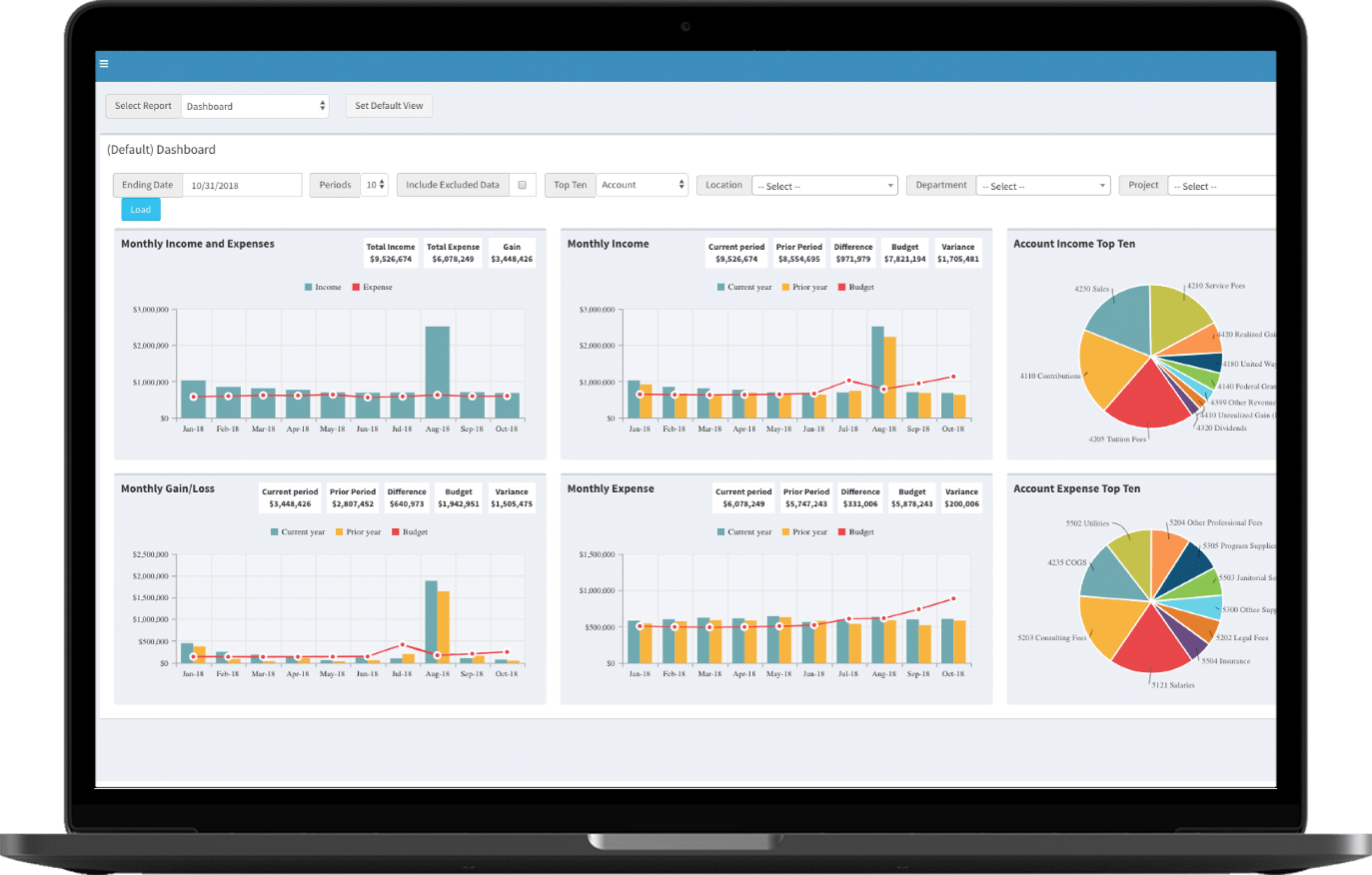
When it comes to the best tools, Martus offers a transformative cloud-based budgeting, forecasting, and reporting software specifically designed for nonprofit and faith-based organizations.
We make your budgeting analysis a breeze, integrating seamlessly with your trusted accounting systems to provide better financial transparency. You can also collaborate across departments to uncover real-time insights for informed decision-making.

|

|
Budget analysis is the process of reviewing and assessing a budget to determine how actual income and expenses align with projected figures.
The analysis compares actuals vs. budget, identifies gaps in them, and offers insights for various decisions, such as adjustments, changes in spending patterns, or reallocations.
Budgeting analysis also helps identify underspending or overspending by highlighting areas where you spend less or more than you have budgeted for, allowing for early intervention.
For example, once you identify an underspend, you can decide to reallocate unused revenues from one expense category to another, depending on real-time needs.
Remember: Good budget analysis is not only for large nonprofits. Every organization must perform it to improve program impact, avoid deficits, support decision-making, and promote financial accountability.

Budget analysis offers the following advantages:

From variance and impact analysis to benchmarking and trend analysis, you can use several internal and external techniques to analyze your nonprofit budget.
Let’s check out the main methods:
Since each method has its advantages and shortcomings, you'll want to start simple and scale as your needs grow. As your organization becomes more complex, combine different methods for more accurate results and effective decision-making.
|
|
|

Next, let’s look at the steps to analyze your nonprofit budget accurately:
When analyzing your budget, it's essential that the finance team collaborates with program leads and top managers to ensure an inclusive, more accurate process and result.
Additionally, you'll need the right tools to perform a practical budget analysis.
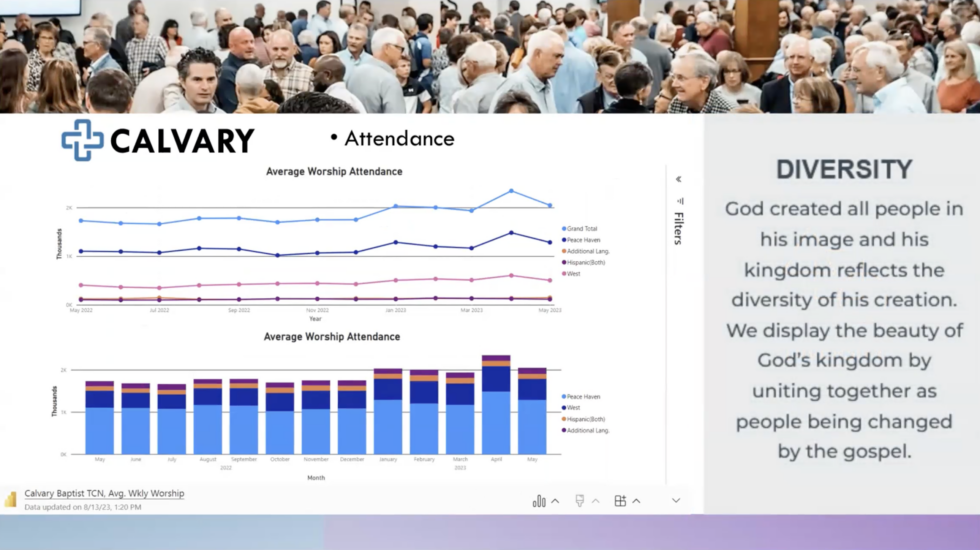
Martus can automate data pulls from your integrated accounting software, track variances, and provide the visual reports you need to showcase to your leaders and the board.
Streamline your budget analysis process with Martus now.
|
|
|

Analyzing your budget can be confusing, but it doesn't have to be.
Let's check out some nonprofit budget analysis examples using realistic scenarios:
The Problem: A charitable organization that supports its local community with groceries has exceeded its transportation budget by 40% before the end of its financial year.
The Causes: The organization discovers that fuel prices were higher than expected. Also, the delivery vehicles had to cover longer distances to meet growing needs.
Insights: The team came up with the insights below:
Recommended Action:
In the short term, the team recommended reallocating excess funds from less time-sensitive budget items, such as training, to cover the transportation gap.
The team also proposed long-term solutions, such as updating the organization's budgeting models to include variable cost forecasting including fuel index tracking.
They also suggest that the organization plan deliveries more efficiently or co-share transportation with nearby food banks.

The Problem: A youth mentorship program has only used 50% of its budget after nine months, down from an expected 80%.
The Cause: The organization didn't recruit enough volunteer youth mentors, leading to fewer sessions than it had planned.
Insights: The team generated the insights below:
Recommended Action:
The team recommended redirecting more of the unused funds to a volunteer recruitment campaign with stipends and flexible training options to attract and retain mentors.
For the long term, they recommended incorporating risk contingency in future budgets for programs that depend on volunteers.
The organization could also do well with a hybrid model that combines both volunteer and paid mentors.

While you can use simple tools like Excel and Google Sheets for budget analysis, you'll be limited in what you can do.
You also outgrow spreadsheets easily as your organization grows and requires more complex solutions, such as analyzing multiple budgets simultaneously.
In such scenarios, more advanced and specialized tools come in handy for creating budget templates, tracking funds, performing calculations, and analyzing your budget.
Here are the top three tools for budget analysis:

As specialized cloud-based budgeting and forecasting software for nonprofit organizations, Martus helps you simplify financial management, including budget analysis.
Martus's capabilities include:
If you want to simplify budgeting and reporting and break interdepartmental silos, reach out to us today.

Sage Intacct has tools for budgeting, forecasting, and financial reporting with capabilities such as:

As a budgeting solution, Xero is ideal for small nonprofits and has capabilities such as:

In addition to the above software, you can apply these best practices to analyze your budget accurately:

Have additional questions about budget analysis for nonprofit organizations? We’ve got the answers you need:
Budget planning creates a roadmap that shows the expected revenue and expenses for a specified period to help you set financial goals and allocate resources effectively.
On the other hand, a budget analysis evaluates how this roadmap performs in real life. It identifies variances, understands the reasons behind them, and helps make the necessary adjustments to the budget.
Your budget analysis should include financial and non-financial stakeholders such as financial analysts, budget managers, accountants, program leads, project managers, and top executives.
At the apex, it should include your board of directors, who review and approve the recommendations based on the organization's overall financial strategy.
Ideally, you should conduct a budget analysis at least monthly to monitor cash flow, highlight significant budget vs. actuals variances that require attention, and identify emerging trends.
You can even do weekly analyses in times of crisis.
Quarterly and annual reviews are ideal for monitoring overall financial performance, reviewing grant budgets, comparing the budget to actuals, and informing the following year's budget.
You can tell that your budget analysis process is poor if you observe the following signs:
Regardless of the size of your organization, an effective budget analysis is essential for making better decisions, promoting transparency and accountability, and strengthening your nonprofit's overall financial health.
You can use nonprofit-friendly financial management and accounting tools to streamline your budget analysis workflows.
At Martus Solutions, we offer dedicated nonprofit financial management software to help you sync data automatically from your accounting software and review multiple budgets simultaneously.
You can also compare budget vs. actuals every month and uncover practical insights for timely budgetary adjustments.
Learn how Martus can improve your overall financial strategy.
|
|
|
.png)