They monitor labor. They review monthly financials.
So why are so many still caught off guard?
The biggest financial blind spot in senior living isn’t revenue.
It isn’t expenses. It’s the lack of forward-looking visibility that connects the two.
The Real Problem: Static Budgets in a Dynamic Environment
Senior living is one of the most operationally complex industries:
Occupancy levels continue to shift as demand strengthens and new supply fluctuates.
Labor costs remain elevated, with wage growth outpacing many other sectors.
Staffing ratios change as resident acuity increases.
Facility investments compete with operating pressures.
According to the National Investment Center for Seniors Housing & Care (NIC), occupancy rates have been steadily climbing in recent quarters as demand accelerates. At the same time, industry reporting shows that senior living wage growth has outpaced the broader private sector, reflecting ongoing staffing challenges.
Individually, these shifts may seem manageable.
But even modest changes in occupancy or sustained wage pressure can quickly compress margins.
Yet many organizations still rely on annual, manual Excel-based budgeting to manage these moving parts.
By the time leadership sees a negative variance, the impact is already underway.
The Cost of Operating Without Real-Time Insight
Without dynamic budgeting and forecasting:
Staffing decisions become reactive instead of occupancy-driven.
Rate increases aren’t modeled against demand elasticity.
Expansion plans lack clear visibility into their financial impact.
Reports focus on past performance rather than projecting potential future scenarios.
The result? Leaders are steering complex organizations using a rearview mirror.
How to Eliminate the Blind Spot
Senior living organizations need tools and processes that allow finance and operations leaders to evaluate different financial scenarios, connect census trends to planning discussions, and understand the potential impact of cost pressures before they appear in monthly results.
Instead of asking, “What happened last month?
You can ask, “What will happen if…?”
That’s where modern planning platforms like Martus Solutions can help.
By moving beyond static spreadsheets to dynamic forecasting, senior living organizations can:
Understand the Financial Impact of Occupancy Changes - Understand how changes in occupancy impact revenue, staffing needs, and overall margin.
Align Labor to Demand - Forecast workforce costs based on projected occupancy and acuity — reducing overtime and reliance on agency staffing.
Run Scenario Planning - Evaluate wage increases, reimbursement changes, or new service lines before committing resources.
Gain Portfolio-Level Visibility - For multi-community operators, compare performance, identify outliers, and allocate resources strategically.
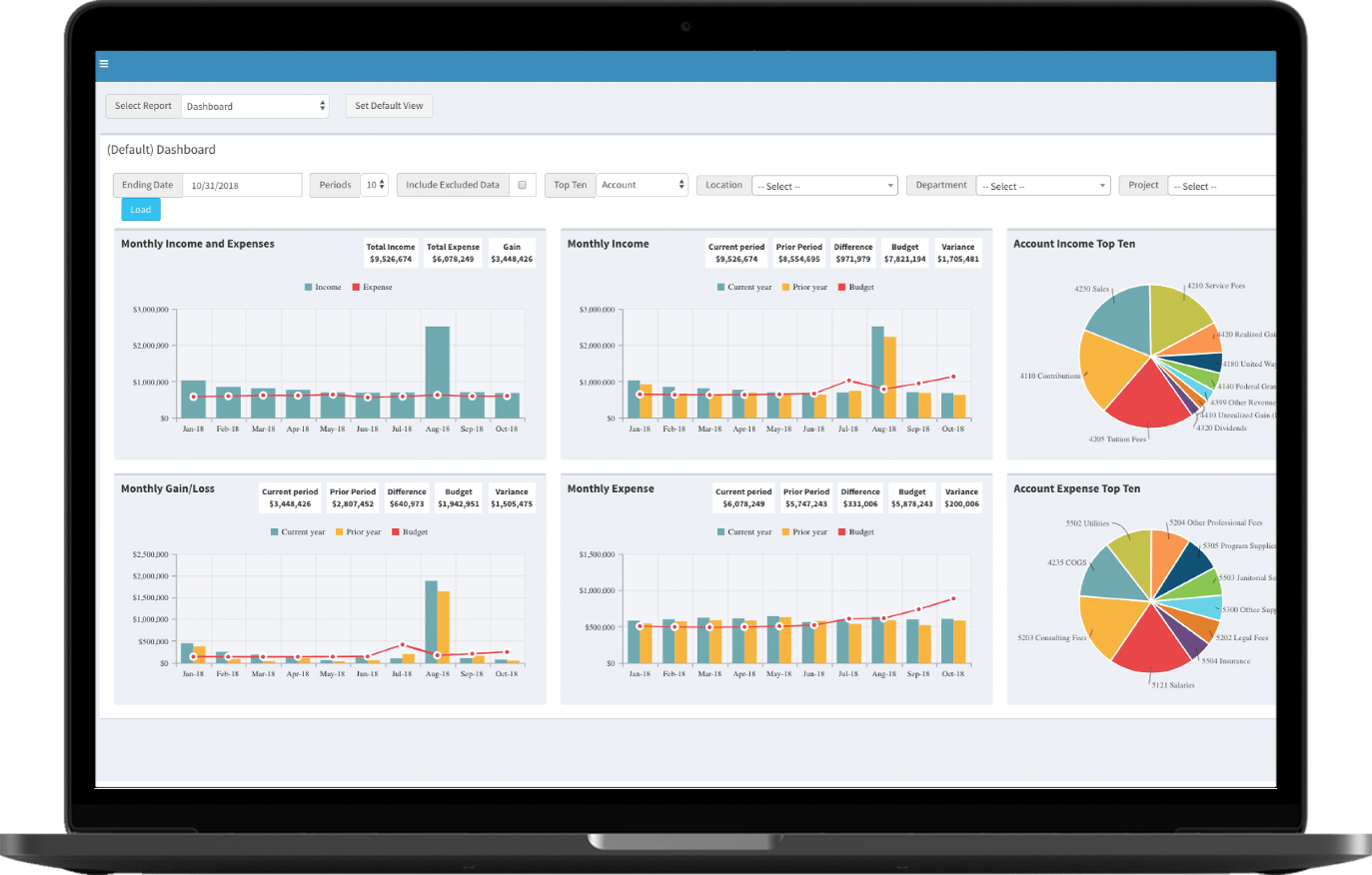
Deliver Clear Financial Reports - Provide timely financial reports and forward-looking insights that help leadership teams make more informed decisions.
From Reactive to Strategic
In senior living, margins are tight and volatility is constant. The organizations that thrive aren’t necessarily the largest — they’re the ones with financial clarity.
The blind spot isn’t a lack of data. It’s the lack of integrated, forward-looking insight that turns data into strategy. Martus Solutions can provide senior living leaders the visibility to anticipate change, protect margin, and plan confidently for the future.










 Chris Grady