A grant renewal is delayed. A key position stays open. Program demand exceeds expectations. Your nonprofit’s budget may be approved, but the assumptions behind it are still moving.
How often should you rebudget? Start with how much is changing. Monthly budget-to-actual reviews and quarterly reforecasts provide a useful starting point when conditions are stable. When funding, staffing, or cash flow becomes less predictable, update your outlook more frequently.
Every forecast update does not require a new approved budget. Reforecast to understand where you’re headed. Formally revise the budget when your organization needs to approve a different spending plan. Your cadence should give leaders enough time to act before a changing assumption becomes a bigger problem.
What is the difference between rebudgeting and reforecasting?
Rebudgeting revises the financial plan an organization uses to authorize and manage resources. Reforecasting updates expected results using actual performance and new assumptions. A scenario explores what could happen before you commit to a decision.
These activities answer different questions:
Budget: What did we agree to fund and achieve?
Reforecast: Where do we now expect to finish?
Scenario: What happens if a key assumption changes?
Rebudget: What changes to the operating plan are we approving?
Keep the original approved budget available as a baseline. Comparing it with actuals and the latest forecast helps leaders see both the original commitment and the current outlook. An updated forecast should inform decisions; it should not automatically reset spending authority.
How often should a nonprofit update its forecast?
Use volatility to set a starting cadence, then adjust it as conditions change. Use this practical framework to choose your starting point.
Uncertain renewals, changing staffing plans, variable program demand
Monthly updates to key drivers; broader review quarterly
High
Major funding at risk, rapid cost changes, immediate cash pressure, investment or merger
Monthly operating reforecast; more frequent updates to critical assumptions
Continue reviewing actual results monthly across all three levels. During immediate cash pressure, a weekly cash forecast can be useful even when a full operating reforecast remains monthly.
How do you know how volatile your budget is?
Budget volatility is the degree to which changes in revenue, expenses, or timing can disrupt your operating plan. Assess it by looking at the assumptions with the greatest potential to change a decision.
How dependable is your funding?
Separate committed funding from hoped-for funding. Consider the size and timing of grants, donor commitments, renewals, and earned revenue. Dependence on one uncertain award can warrant closer forecasting even when the rest of the budget is predictable.
How quickly can expenses change?
Review vacancies, hiring dates, benefit costs, contracted services, and program demand. A delayed hire may reduce salary expense while increasing overtime or limiting services. Forecast the combined effect before treating the vacancy as available savings.
How much room do you have to respond?
Consider available unrestricted cash, spending commitments, and the time needed to change course. Restricted funding may support a specific program without providing flexibility elsewhere. An organization with little available cash may need earlier reviews of even modest changes.
Is the change expected or uncertain?
Predictable seasonality can be built into the plan. A known year-end giving peak does not automatically require constant rebudgeting. Uncertainty about the size or timing of that peak may justify more frequent forecast updates during the campaign.
What should trigger a forecast update between scheduled reviews?
Update when new information could change a meaningful decision about hiring, spending, services, or cash. Agree on the triggers before a shortfall forces the conversation.
Useful triggers include:
A major grant is awarded, delayed, reduced, or lost.
Donations, enrollment, attendance, or membership renewals move outside the expected range.
A critical position stays vacant or staffing costs change materially.
A reimbursement delay creates a projected cash gap.
Leadership proposes a new program, location, or significant purchase.
Set thresholds using both dollar impact and percentage variance. A large percentage change in a small account may matter less than a small percentage change in a major revenue stream. Include timing and available cash in the decision, rather than using one percentage for every account.
Do you need to rebuild the entire budget every time?
Start with the assumptions that changed and follow their effects through the forecast. Leave still-valid assumptions in place.
Consider a hypothetical nonprofit awaiting a grant renewal. Finance can model the expected award, a delayed award, and no renewal. Program leaders can then evaluate the implications for staffing, service capacity, and cash before the decision arrives.
That work may reveal a need to defer hiring, change the launch date, or seek another funding source. It may also show that the organization can absorb a delay without changing its approved operating plan.
Use scenarios to prepare for a range of outcomes and collaborate with department leaders on forecast updates.
When should you formally revise the approved budget?
Consider a formal revision when leadership needs to approve a materially different operating plan, such as changing program scope, reallocating substantial resources, or resetting spending limits.
Follow your organization’s governing documents, approval policies, and applicable funding agreements. Document what changed, why it changed, who approved it, and how the revision affects planned outcomes. Retain the original budget for comparison.
A forecast can identify the need for a decision. The appropriate approval process authorizes the change.
How can you make frequent reforecasting manageable?
Give each major assumption an owner. Development updates fundraising expectations, program leaders update demand and delivery plans, and personnel owners update hiring assumptions. Finance checks consistency, consolidates the outlook, and explains the implications.
The useful question at each review is: What decision would we make differently with this information? Let that answer guide the depth and speed of the update.
Frequently asked questions
Is quarterly reforecasting enough?
Quarterly reforecasting can be a reasonable starting point when funding and costs are predictable. Review actuals monthly and update sooner if a major assumption changes.
Should nonprofits rebudget every month?
Monthly forecast updates may help during volatile conditions. Monthly formal budget revisions are a separate choice governed by the need to change the approved plan and the organization’s approval requirements.
What is a rolling forecast?
A rolling forecast maintains a consistent forward-looking horizon. For example, a 12-month rolling forecast adds another month as each month closes, extending visibility beyond the fiscal year-end.
Make your next forecast easier to update
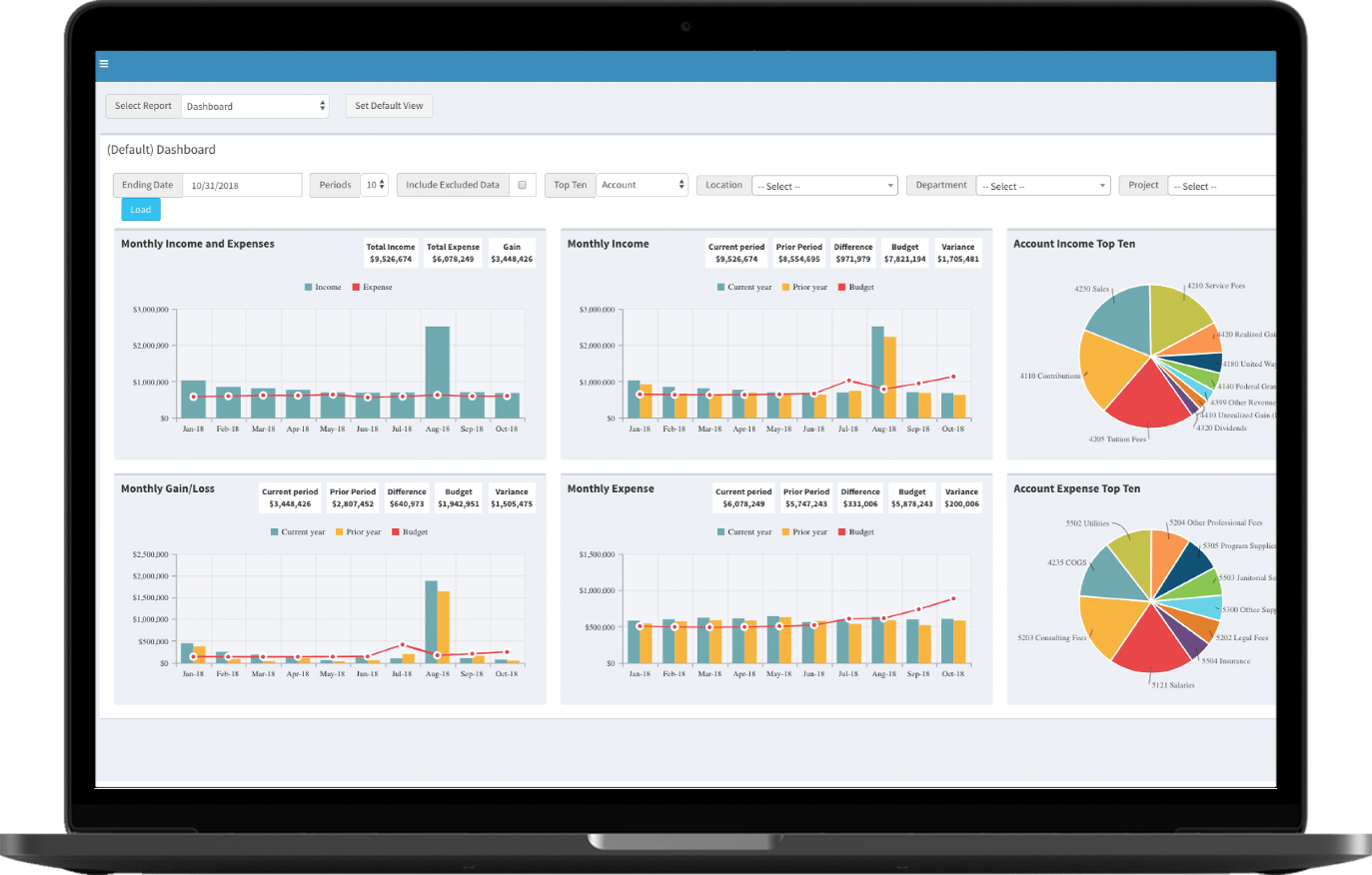
Martus supports this process with accounting integrations, dynamic reforecasting, collaborative planning, and multiple forecast scenarios. Teams can compare budgets, actuals, and reforecasts to understand how the outlook has changed.
See how Martus helps your team compare scenarios, update projections, and bring department leaders into the planning process. Take a tour: https://martus.storylane.io/
Learn more about collaborative budgeting: watch our episode on The NonProfit Show.










 Taylor Macdonald