







 Chris Grady

How Often Should You Rebudget? How to Know (and Plan for) Your Volatility
A grant renewal is delayed. A key position stays open. Program demand exceeds expectations. Your nonprofit’s budget may ...
Read More
A budget is the financial plan an organization approves before the year starts. A forecast is an updated estimate of how the year will actually end, based on results so far. Actuals are the real revenue and expenses recorded in your accounting system. The budget sets the target, the forecast predicts where you'll land, and actuals show what happened. Comparing them through variance analysis tells you where you're off track and why.
Nonprofit finance teams need all three. When the board asks for mid-year financials, it wants to know what you planned, what has happened, and where the year is heading. This guide explains each one, how they compare, and how to use them together.
The difference is timing and purpose: a budget is the plan set before the year, a forecast is the updated outlook during the year, and actuals are the recorded results after transactions happen.
| Budget | Forecast | Actuals | |
|---|---|---|---|
| What it is | The approved financial plan for the year | An updated estimate of how the year will end | Real revenue and expenses already recorded |
| When it's created | Before the fiscal year begins | Throughout the year | As transactions happen and books close |
| Based on | Goals, past results, and expected funding | Actuals to date plus revised assumptions | Your accounting system |
| Can it change? | Rarely; changes usually need board approval | Yes, as often as conditions change | No; it reflects what happened |
| How often it's updated | Once a year | Monthly or quarterly | Monthly, at close |
| Who owns it | Finance, program leads, leadership, and the board | Finance and program leads | Finance, with input from program staff |
| Best used for | Setting priorities, grant proposals, board approval | Mid-year decisions on staffing, spending, and cash | Reporting, audits, and accountability to funders |
A budget is a financial plan that shows the revenue an organization expects to receive and the expenses it expects to incur over a set period, usually one fiscal year. It shows how you'll allocate resources to support your programs and activities, and it's usually approved by the board before the year begins.
For example, say you're launching an after-school tutoring program with this budget:

A budget forecast is an updated projection of revenue and expenses for the rest of the year, based on actual results to date and the most current information available. Unlike the budget, a forecast changes as grants are awarded or delayed, programs shift, or donor giving changes.
Budget forecasting helps nonprofits make in-year decisions, such as:
Actuals are the real revenue and expenses recorded in your accounting system for a specific period. They show how your organization is actually performing against the budget and are the basis for financial reporting, forecasting, and audits.
Keeping actuals accurate takes both finance and program teams. Finance records and reconciles transactions, while program staff share on-the-ground updates, such as delayed hiring or spending changes, and help code expenses correctly.
Budget variance is the difference between what you budgeted and what actually happened. The formula is: Variance = Actual − Budget. Variance analysis is the process of reviewing those differences, understanding why they happened, and deciding what to do next.
Variances are usually described as:
Example: In the tutoring program above, supplies were budgeted at $7,000 but actual spending was $8,500. That's a $1,500 unfavorable variance (about 21% over budget). If enrollment is growing, you might update the forecast to show supplies ending the year at $9,000 and cover the gap by trimming transportation costs.
Review variances monthly or quarterly with program leads and the finance team. Variance analysis also supports grant compliance by showing how restricted funds are being spent.

Budgets, forecasts, and actuals form a cycle: the budget sets the plan, actuals show what happened, variance analysis explains the gap, and the forecast updates the outlook so leaders can adjust. All three rely on the same financial data and on collaboration between finance and program teams.
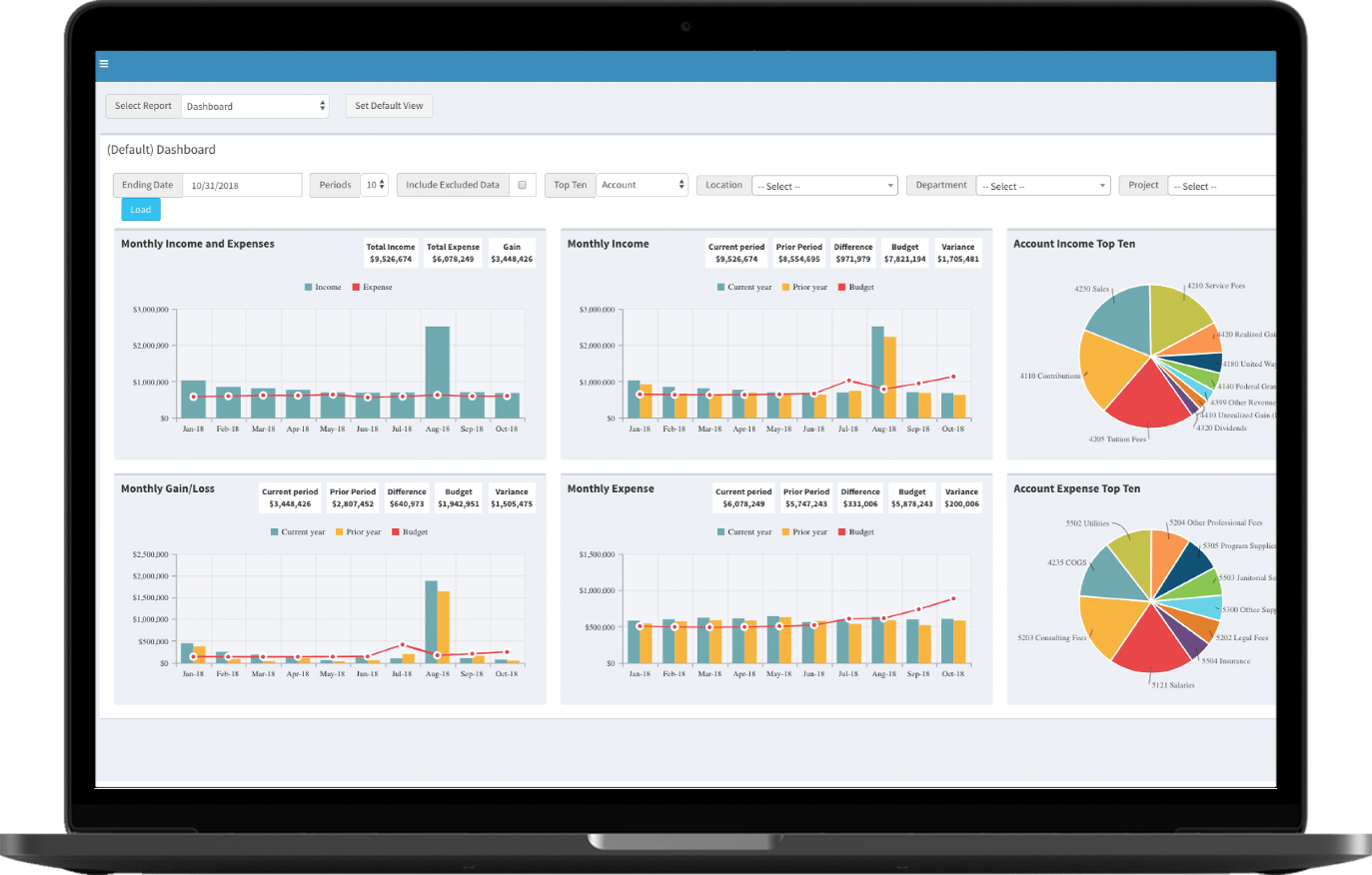
The challenge for most nonprofits is keeping all three in sync when they live in separate spreadsheets. Martus brings budgets, forecasts, and actuals into one place. It pulls actuals automatically from your accounting system through integrations, lets you create and compare multiple forecast scenarios, and produces budget vs. actual reports in real time.
No. A budget is the fixed plan approved before the year begins. A forecast is an updated estimate that changes during the year as actual results and new information come in.
Most nonprofits update their forecast monthly or quarterly, and immediately after major changes such as a new or lost grant.
Usually not. Most organizations keep the approved budget fixed so they can measure performance against it, and they reflect changes in the forecast instead. A formal budget revision with board approval is typically reserved for major changes in funding or operations.
A reforecast is an update to your forecast that replaces earlier projections for the remaining months of the year with new estimates based on actual results to date.
A rolling forecast always looks a set period ahead, such as 12 months, and adds a new month as each month ends, instead of stopping at the end of the fiscal year.
A budget vs. actual report typically includes budgeted amounts by revenue and expense category, actual amounts, the variance in dollars and percent, and notes explaining significant variances.
The budget sets the plan and the standard for measuring performance. The forecast shows whether you're on track to meet it and gives you time to adjust before problems show up in the actuals.